Athi–Kapiti 8th Game Count

Athi–Kapiti 8th Game Count:
Inspiring Sustainable Travel Through Conservation Action

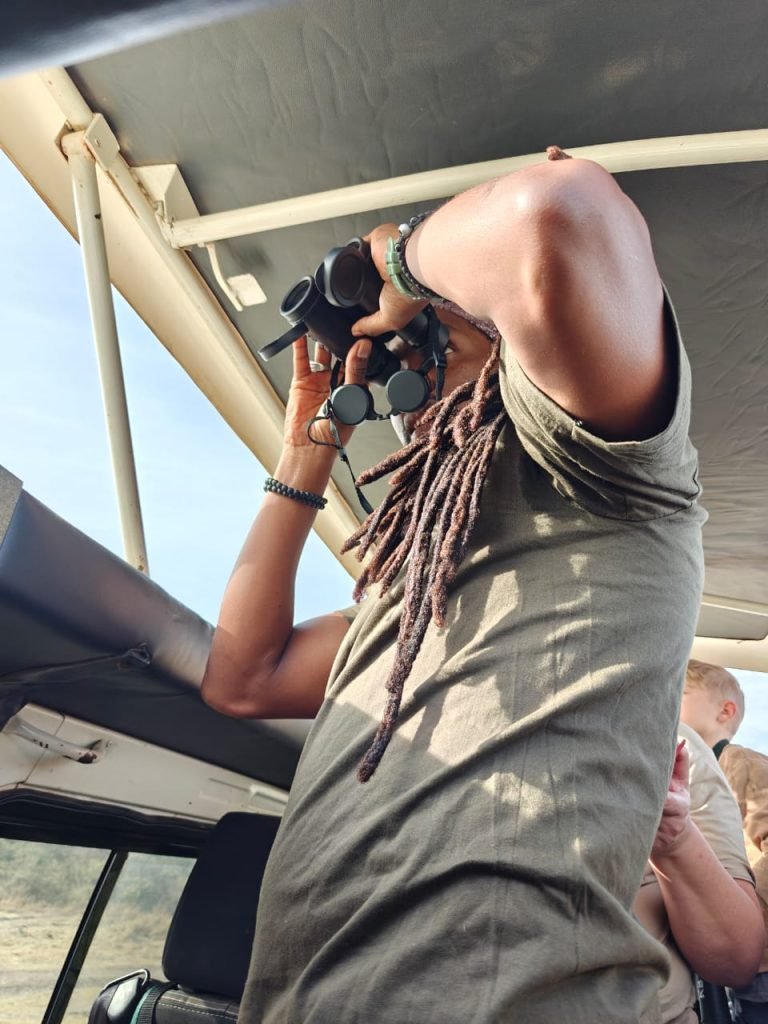
On 7th February 2026, Peaks and Safaris proudly participated in the 8th Athi–Kapiti Game Count, a critical conservation exercise designed to support data-driven planning and long-term sustainability of wildlife ecosystems in the Athi–Kapiti landscape.

This large-scale wildlife census brings together conservationists, community stakeholders, and private sector partners with a shared goal: to understand, protect, and sustain Kenya’s natural heritage for generations to come. Our participation reflects our core belief that meaningful travel must go hand in hand with environmental responsibility: Inspiring travel dreams sustainably.

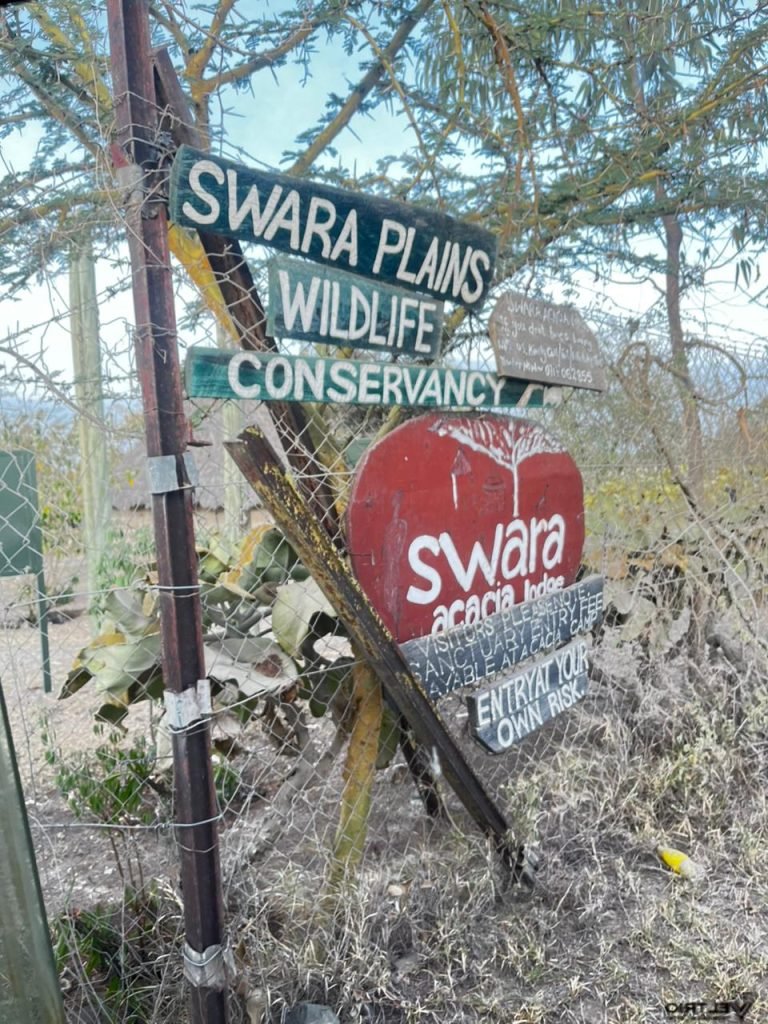
Focus Area: Swara Plains Conservancy

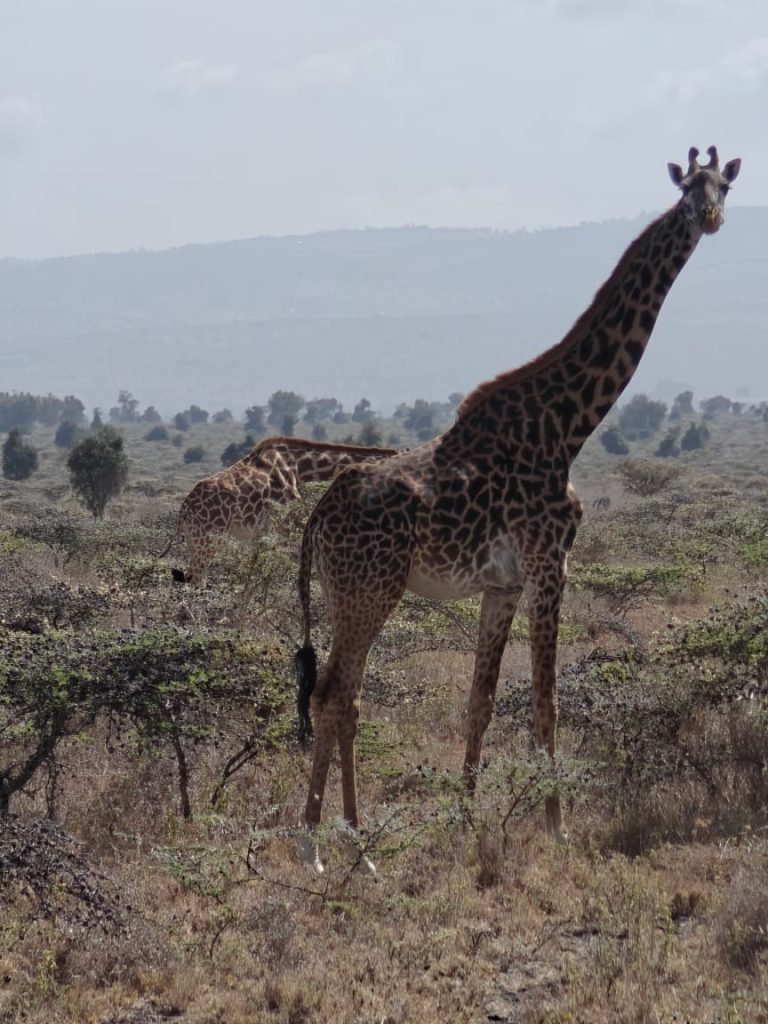
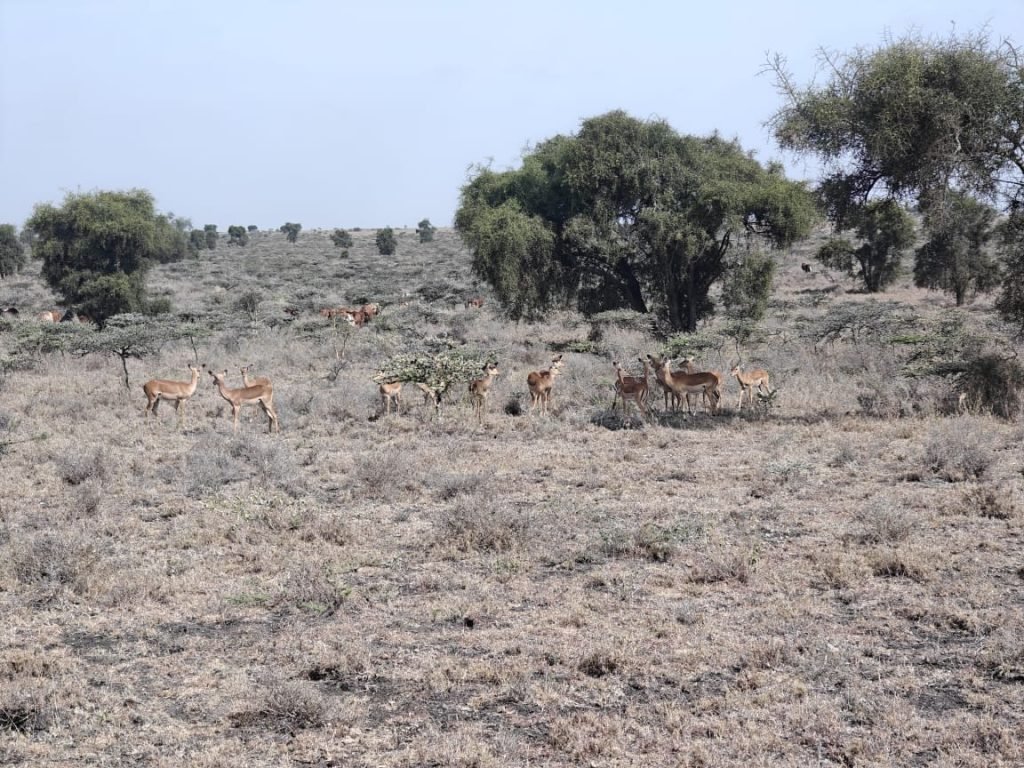
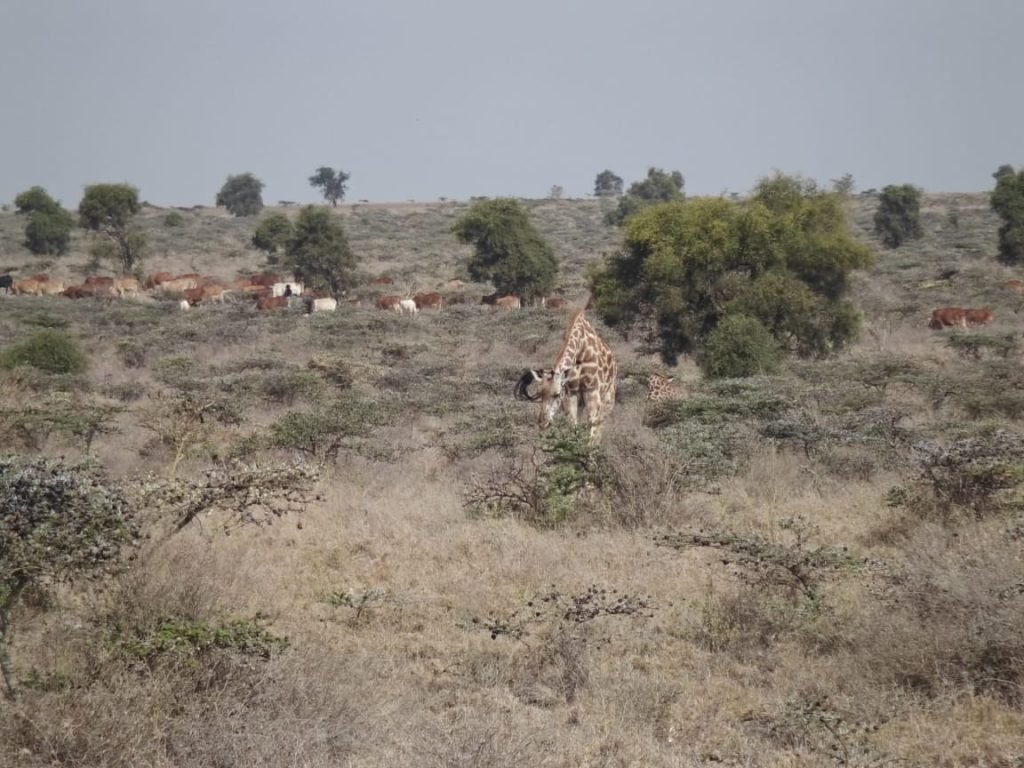
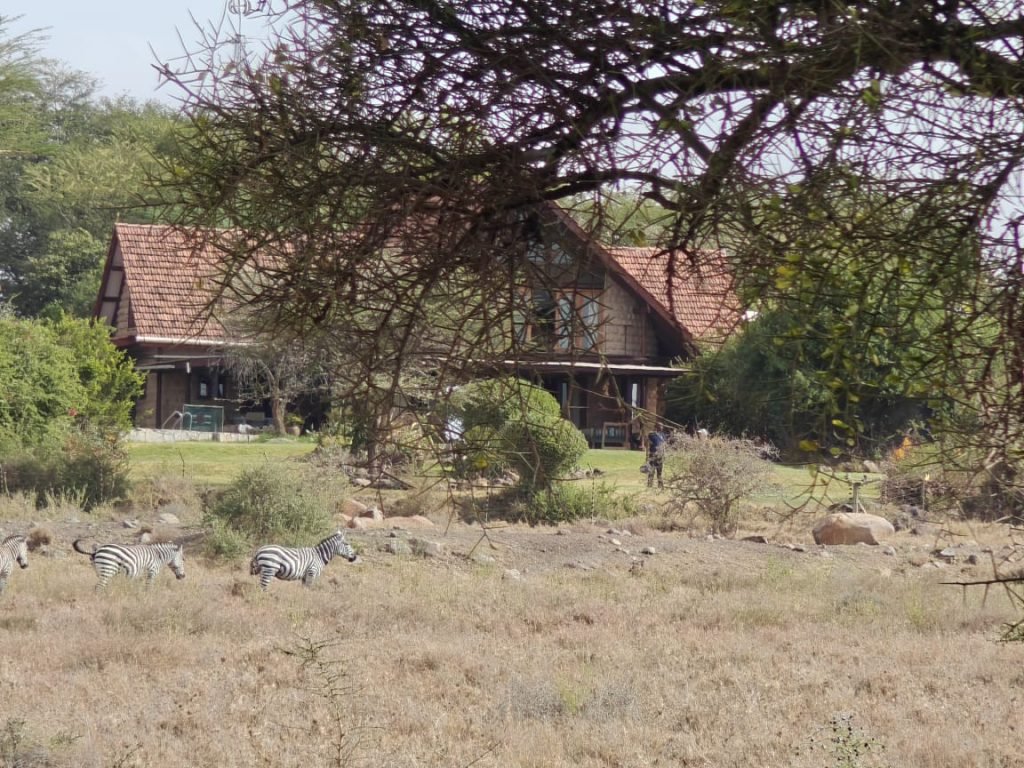
Our team was assigned to Swara Plains Conservancy, a semi-arid ecosystem known for its rich diversity of herbivores. Despite its dry conditions, the conservancy supports substantial populations of warthogs, giraffes, zebras, gazelles, and other plains game, making it a vital wildlife corridor within the greater Athi–Kapiti ecosystem.

Why the Game Count Matters

Participating in the game count provided valuable insights that are essential for sustainable wildlife management, including:

  • Species distribution across the conservancy and surrounding ecosystems
  • Population trends over time, highlighting species that are thriving as well as those under pressure
  • Key challenges affecting wildlife, particularly access to food and water in the face of climate variability
These findings directly inform conservation planning, land-use decisions, and community-wildlife coexistence strategies.

Our Commitment Beyond Observation

As active members of The Maanzoni Million Tree Challenge.  Peaks and Safaris goes beyond participation, we invest in practical, long-term conservation solutions:

  • Indigenous tree planting with the team within the conservancy to restore degraded landscapes, improve soil health, and enhance biodiversity
  • On-ground monitoring and care, ensuring planted trees survive and thrive
  • Donation of a water tank to support a reliable water supply for both vegetation and wildlife, particularly during dry seasons
  • Environmental education and awareness, sharing conservation stories and experiences with our guests, partners, and wider audiences to foster responsible travel

Through these efforts, we actively connect tourism with conservation, allowing travelers to be part of positive environmental impact.

Wildlife, Communities, and Coexistence

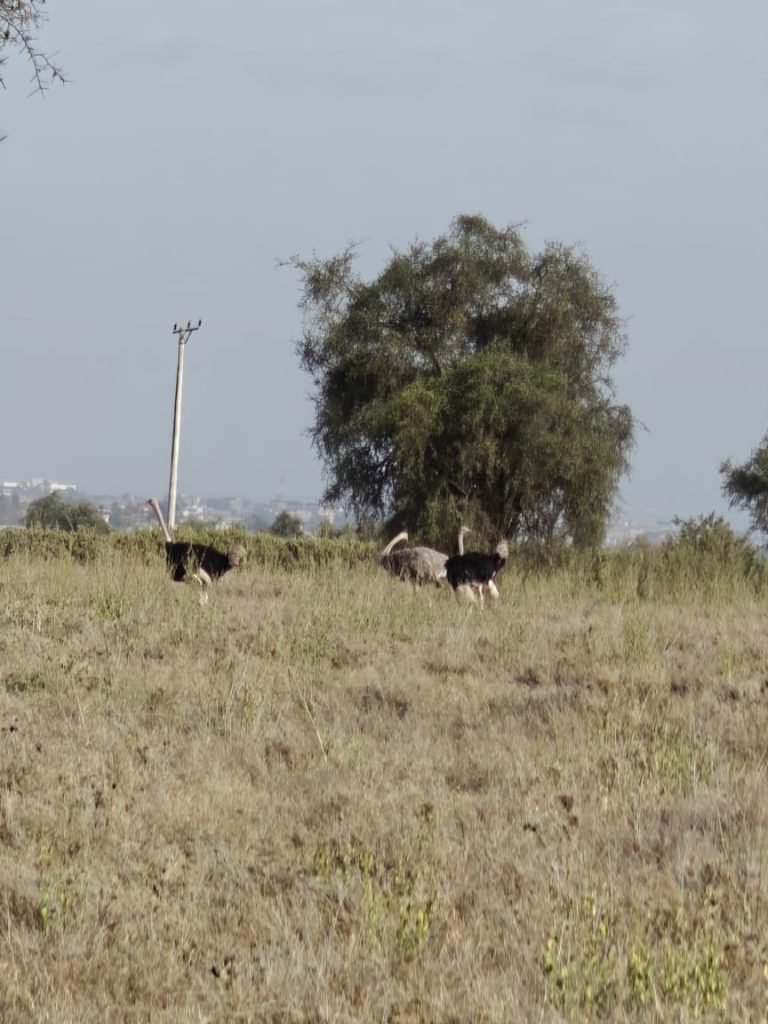
In addition to herbivores, the conservancy is home to a family of cheetahs, vultures, and diverse bird species, highlighting its ecological importance. Notably, local communities graze livestock within the conservancy, and through improved conservation practices, have established a harmonious coexistence with wildlife.

This represents significant progress from earlier years, when habitat loss, hunting, and displacement threatened both wildlife and livelihoods. Today, collaborative conservation demonstrates that people and wildlife can thrive together when sustainability is prioritized.

Looking Ahead

As climate change continues to impact ecosystems, responsible stewardship is no longer optional. It is our collective duty to support mitigation efforts and help wildlife adapt, survive, and flourish within their natural habitats.

At Peaks and Safaris, we remain committed to partnering with like-minded conservation groups, communities, and travelers who share our vision of a more sustainable future. By aligning tourism with conservation, we not only protect wildlife, but also inspire meaningful travel experiences that leave a lasting, positive legacy.

Together, we are inspiring travel dreams sustainably!

You cannot copy content of this page