
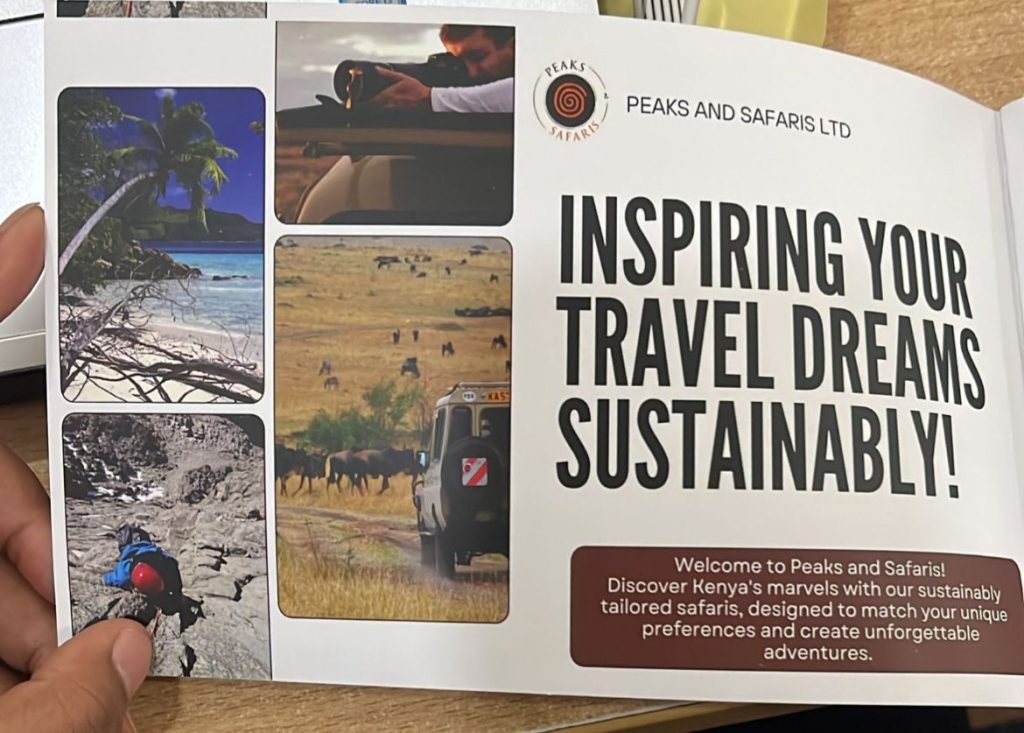
Travel has the power to transform perspectives, connect people to nature, and create lifelong memories. At Peaks and Safaris, we ensure that every journey inspires not only your travel dreams but also the long-term protection of the ecosystems and communities that make these experiences possible.
Sustainable travel is central to our operations. It is a structured, measurable approach designed to minimize environmental impact, support local communities, and protect wildlife, while delivering exceptional safari experiences.
1. Environmentally Responsible Operations
We implement evidence-based practices across all aspects of our safaris to reduce ecological footprint:
-
Conservancy Partnerships: Over 70% of our safari routes are located within community-run conservancies, which contribute directly to anti-poaching and habitat protection programs.
-
Energy and Water Efficiency: Most of our partner lodges use solar energy, energy-efficient appliances, and water-saving technologies to reduce resource consumption.
-
Waste Management: Single-use plastics are eliminated where possible, and waste is managed according to local recycling and composting guidelines.
-
Low-Impact Itinerary Design: Vehicle routing is optimized to reduce fuel usage and disturbance to wildlife, while maintaining high-quality wildlife viewing experiences.
2. Community Empowerment
Sustainability in East African tourism is only meaningful if local communities benefit directly. Peaks and Safaris contributes to:
-
Employment and Skills Development: We provide training and long-term employment for local guides, hospitality staff, and conservation personnel.
-
Economic Inclusion: Safaris generate revenue for local enterprises, artisans, and service providers, fostering inclusive economic growth.
-
Cultural Preservation: We design experiences that respect local traditions, customs, and heritage, ensuring communities retain ownership over their cultural and natural resources.
Our approach aligns with globally recognized standards, including the UN Sustainable Development Goals, particularly SDG 8 (Decent Work and Economic Growth), SDG 12 (Responsible Consumption and Production), and SDG 15 (Life on Land).
3. Wildlife and Habitat Conservation
Responsible wildlife tourism is a key pillar of our sustainability strategy:
-
Ethical Viewing Practices: We adhere to strict wildlife viewing guidelines to prevent stress or disruption to animals.
-
Support for Conservation Programs: Safaris contribute financially to anti-poaching patrols, species monitoring, and habitat restoration initiatives.
-
Biodiversity Protection: By promoting community conservancies and protected corridors, we help maintain ecological balance and long-term species survival.
4. Promoting Regenerative Travel
We aim to go beyond sustainability by supporting initiatives that actively restore ecosystems and strengthen community resilience:
-
Habitat Restoration: Engagement in reforestation and water conservation programs.
-
Wildlife Corridors: Collaboration with local communities to maintain and expand wildlife migration routes.
-
Sustainable Agriculture & Renewable Energy: Support for eco-enterprises that reduce pressure on natural habitats and increase community resilience. Such as farm to table restaurants and solar powered lodges.
5. The Peak Experience: Responsible Travel in Practice
Our approach demonstrates that luxury and sustainability can coexist. By integrating environmental stewardship, social responsibility, and ethical wildlife practices into every safari, we ensure that guests enjoy a premium experience without compromising the integrity of the ecosystems or communities they visit.
When you travel with Peaks and Safaris, your journey is more than an adventure; it is a contribution to conservation, a support to local livelihoods, and an investment in the landscapes that inspire your dreams.
Travel responsibly. Experience authentically. Leave a lasting positive impact.