
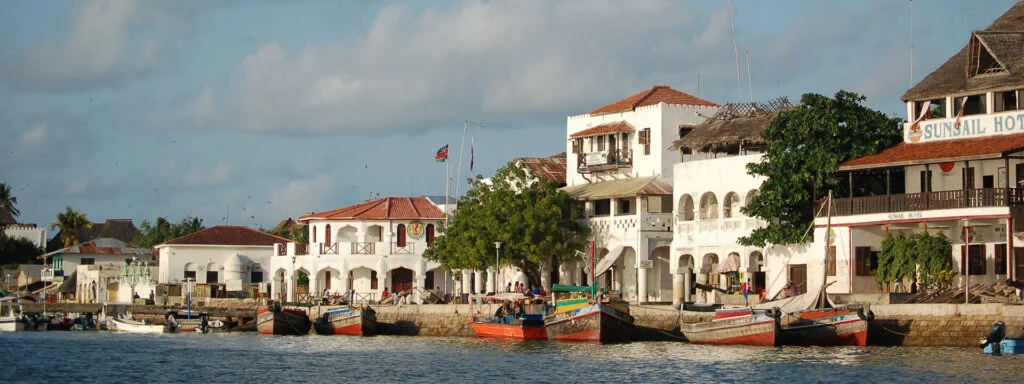
Lamu is the kind of place that doesn’t just look beautiful, it slows you down the moment you arrive.
On Kenya’s northern coast sits the island of Lamu Old Town, a UNESCO World Heritage Site and the oldest continuously inhabited Swahili settlement in East Africa. For a first-time visitor, it feels less like a destination and more like stepping into a living story that has been unfolding for centuries.
There are no rush hours here. The streets are narrow, winding, and made for walking. You’ll pass carved wooden doors that hide centuries of craftsmanship, coral stone homes cooled by sea breeze, and quiet courtyards where life moves at an unhurried pace. Donkeys carry goods through the alleys, dhows glide across the water, and the sound of the ocean is never far away.
The island’s culture is deeply Swahili, shaped over time by Arab, Indian, and European influences. You see it in the architecture, taste it in the food, and feel it in the rhythm of daily life. Most locals are Muslim, and traditional dress and customs remain an important part of the island’s identity, adding to its authenticity rather than taking away from it.
For a deeper understanding of the island, visitors can explore Lamu Museum, which brings the region’s maritime and Swahili history to life. Lamu Fort stands as a reminder of its strategic past, while the well-known Donkey Sanctuary quietly cares for the animals that still keep the island moving.
Then there’s the simple pleasure of it all; white sand beaches with almost no footprint, Arabic coffee served in small cafés, and sunsets viewed from a traditional dhow as the island drifts into evening.
Lamu is not about checking sights off a list. It’s about adjusting to a different rhythm, one that is calm, historic, and quietly unforgettable.